

News
Discover The Impressive Temperature Resistance Of Silicone Products
Silicone products have become very popular for their versatility, durability, and excellent temperature resistance. In this article, we delve into the fascinating world of silicones and explore their impressive temperature range, which makes them an excellent choice for a variety of applications.
Silicone products have a wide range of temperature resistance, usually between -40°C to +230°C (-40°F to +446°F). This broad range allows silicones to function perfectly in a variety of applications, from cold to hot environments. Different types of silicone products may have different temperature ranges. Silicone ice trays and silicone kitchenware sets can reflect the cold and heat resistance of silicone.
The temperature resistance range of silicone products is determined by the following factors:
1. Formula of silica gel material: The formula of silica gel can be adjusted according to different needs to obtain specific temperature resistance. Adding different additives or reinforcing agents can improve the high temperature or low temperature resistance of silicone.
2. The hardness of silica gel: the hardness level of silica gel will also affect its temperature resistance range. In general, harder silicones are more resistant to high temperatures, while lower hardness silicones are more resistant to low temperatures.
3. Density of silica gel: The density of silica gel will also affect its temperature resistance. A lower density may make the silicone more resistant to high temperatures, while a higher density may make it more resistant to low temperatures.
4. Shape and structure of silicone products: The shape and structure of silicone products will affect their temperature resistance. For example, thin sheets of silicone may be subject to cracking due to thermal expansion, while thicker silicone may be better able to withstand high-temperature environments.
Therefore, by adjusting the formula, hardness and density of silicone materials, and designing silicone products according to specific shapes and structures, its temperature resistance range can be improved to adapt to different application environments and needs.
Related Products
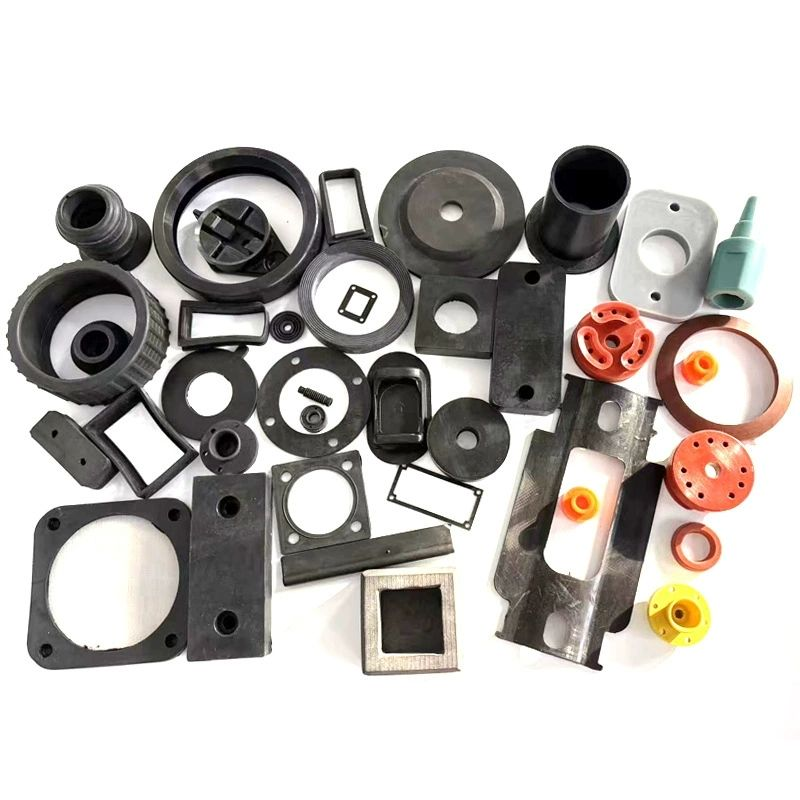
 Customized OEM ODM silicone rubber product manufacturer customized silicone mold parts EPDM NBR molded rubber parts
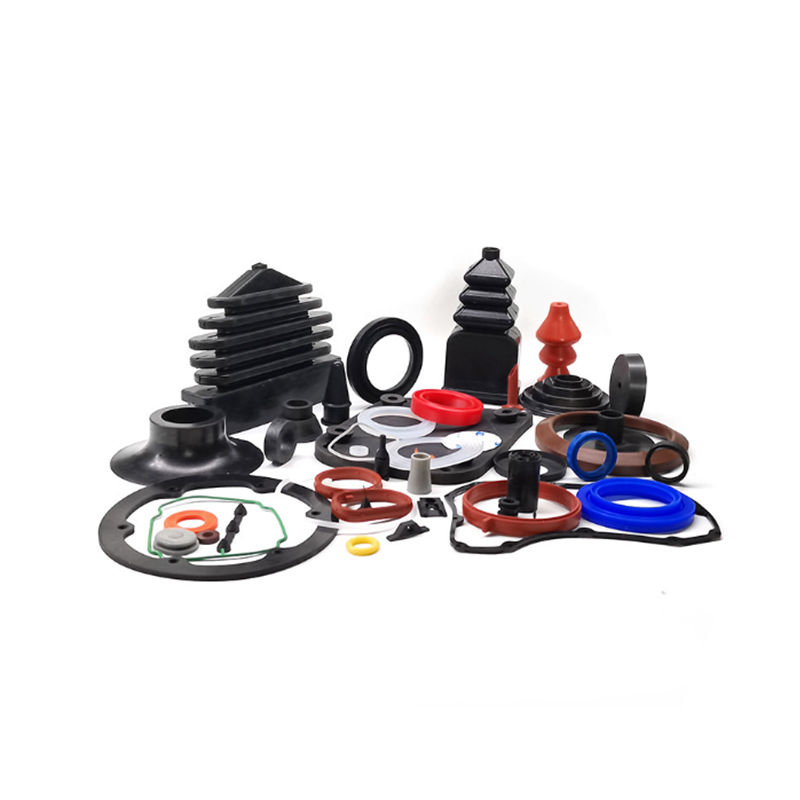
 High quality customized silicone parts OEM black rubber molding cutting EPDM/NBR/NR industrial application irregular shaped silicone
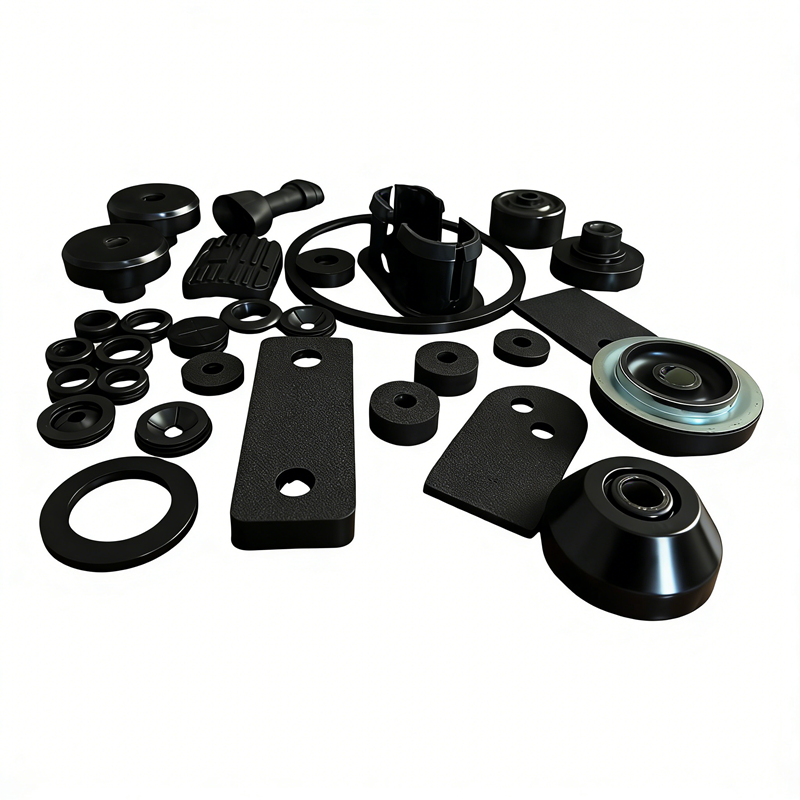
 Customized rubber component professional manufacturer | Forming of non-standard shaped rubber products
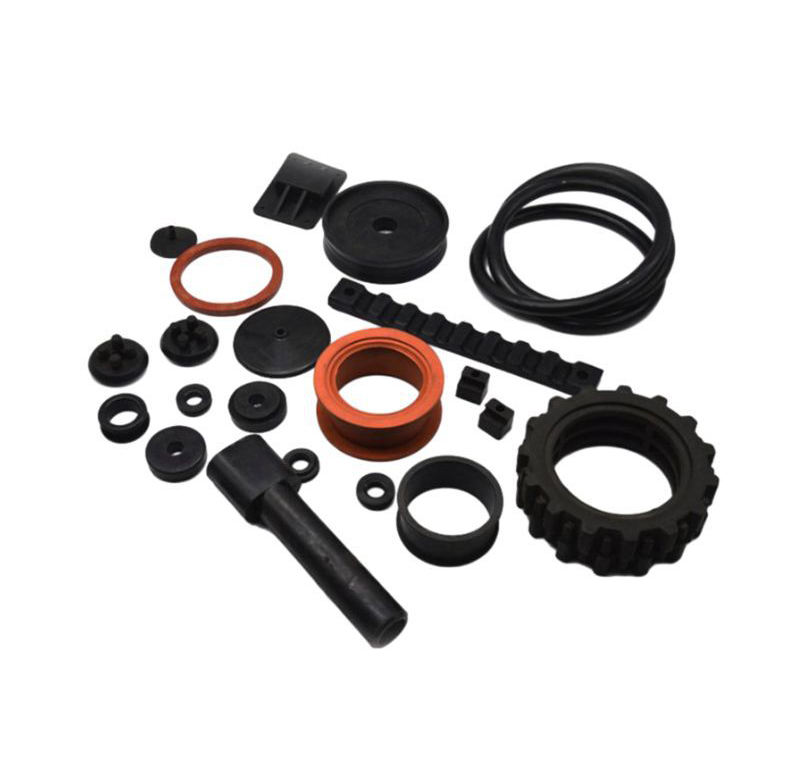
 Customized molded silicone rubber parts, silicone rubber accessories, molded silicone rubber special-shaped parts
Can't find what you're looking for ?
Leave a Message we will call you back quickly!
Professional Service
Interested? Leave your contact details.
Search Starts Here


